


The practice of yoga is highly personal. Different people have different expectations from their yoga practice. However, one of the main reasons people practice yoga is because they hope to discover some balance in their lives.
Eating, like yoga, is individualistic and seeks balance. But in developing a supportive nutritional approach, bear in mind: “One size does not fit all” when it comes to finding the right foods for your unique constitution.
There are a lot of myths and urban legends telling you which foods are “good” or “bad” for yoga practitioners.
Some common myths:
- Feeling stiff? Eat more ghee or more sweet-tasting foods
- Eat only fruit before your yoga session and avoid potatoes
- Above all, avoid dinner the night before an intense yoga session
History of Food Myths:
Many of these myths and theories are distortions of yogic scriptures and Ayurvedic theories. Let us examine the original context to understand how these myths came to exist in the first place.
Both yoga and Ayurveda in a way are inseparable. A core principle in Ayurveda is the concept of varying body types, each of which thrives on different kinds of foods.
- Vata types need grounding foods like oils and grains.
- Pitta types thrive on cooling foods such as salads and sweet fruits.
- Kapha types benefit from heating and invigorating foods, such as hot chillies.
Few people are strictly one type. Most are a blend of at least two types. Each individual must therefore find a personal balance of foods to fit his or her own unique constitution.
Just as certain yoga poses are appropriate for certain people or at particular times, so also with what you eat. Food should provide energy and clarity. A “good” diet is different for different people, but you will know your diet is working well when you feel healthy, sleep well, have efficient digestion and feel your system is supported rather than depleted by your yoga practice.
Please be aware that references to food in the scriptures and Ayurveda are meant only as guidelines and not rules set in stone. We were meant to follow these guidelines until we as practitioners, become skilled enough to find the right dietary balance for ourselves.
Making general statements about what we should or should not eat, such as ‘potatoes make you stiff’ is absurd. It’s all a matter of personal constitution. Potatoes tend to be pacifying to pitta and aggravating for vata and kapha types. However they are not recommended for people with inflammatory or arthritic conditions.
Another area of confusion is whether drinking cold water is good or bad for us. Cold water can affect certain constitutions. Vata types can have a hard time tolerating it, and it can also amplify sluggish digestion problems in kapha types. But pitta types might find that it actually soothes their digestive systems.
Myths and Facts about Fasting:
Many yoga practitioners experiment with fasting for several hours before a session. However, research shows that frequent and extended fasting has an overall weakening effect on the body. Though overeating can make you groggy and too full to go deeply into the postures, fasting and under-eating can have a more debilitating effect.
One of the dangers of extended fasting is that when practitioners get light-headed due to low blood sugar and dehydration, they might mistake that feeling for a spiritual high…that ‘oneness with God’!
For vata or pitta types, skipping a meal can cause not only low blood sugar and dizziness, but may lead to further health complications such as constipation, poor digestion and insomnia.
So how do you develop your own balanced approach to eating?
When approaching either yoga or food, experimentation and alert attention are the keys to discovering your personal path to balance and growth. As you continue to practice yoga, an intuitive sense of what is right for your own body will emerge. Notice patterns in your digestion, sleep cycle, breathing, energy level and asana practice after eating. A food diary can be an excellent tool for keeping track of these patterns. If you’re feeling unhealthy or unbalanced at any time, check your diary to see what you’ve been eating that might be causing the problem(s). Adjust your eating habits accordingly until you start to feel better.
Food Types
Rajasic Foods can lead to restlessness and lack of focus. These are usually highly seasoned dishes that are fried, baked, roasted or curried. The Rajasik food group also includes most desserts and alcoholic beverages.
Tamasic Foods may lead to a lethargic disposition. Dishes in this category are usually over-spiced with salt, pepper and other hot spices. In most cases, they also contain additives and artificial ingredients or colors. Some of the more common foods in this group are onions, garlic, vinegar and of course tobacco.
Sattvic Foods are the most recommended for those practicing yoga because they lead to greater clarity and calmness. Sattvic foods are more easily digested and are not fat laden or protein-dense as in animal products; therefore, the Sattvic diet is primarily lacto-vegetarian.
Sattvic Foods to include in your diet:
- Fresh vegetables, especially green, leafy vegetables
- Fresh fruits
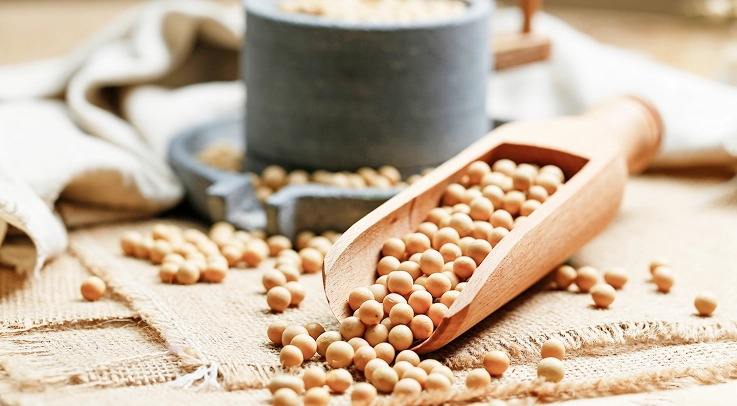
- Legumes (the smaller the bean, the easier to digest)
- Raw Nuts and Seeds
- Herbal teas
- Raw Honey
- Dairy products such as cheese, ghee, butter, yogurt and cream
- Dried peas and lentils
- Fresh vegetable juices
- Sprouts
- Unrefined Oils – Olive, Flax, Coconut, Sesame, Sunflower, Safflower
- Mild spices, including ginger and turmeric
- Lightly steamed foods
- Raw foods
- Lightly cooked foods
- Alkaline foods
- Proper food combination (Certain foods do not digest well when eaten with other foods)
Rajasic and Tamasic foods to be avoided:
- Sugar-laden foods
- Foods with preservatives and chemicals
- Spicy foods
- Red hot chilies
- Black pepper
- Garlic
- Onion
- Mushrooms
- Potatoes
- Coffee and non-Herbal Tea
- Fish and meat
- Chocolate
- Frozen foods
- Canned foods
- Microwaved foods
- Overcooked foods
- Acidic foods
- Refined foods (such as white flour, white rice, sugar, etc.)
- Improperly combined foods
List of Sattvic Foods
Ladies finger, bitter gourd, horse gram, coconut, capsicum, corn, potato, lentils, double beans, pumpkin, sweet potato, toor dal, coriander leaves, fenugreek, grapes, apples, pomegranates, sapotas, sweet lime, orange, guava, dates, papaya, pineapple, watermelon, banana etc.
The more we embrace these Sattvic principles, the more helpful they will be in enhancing our practice of yoga, both physically as well as spiritually.